
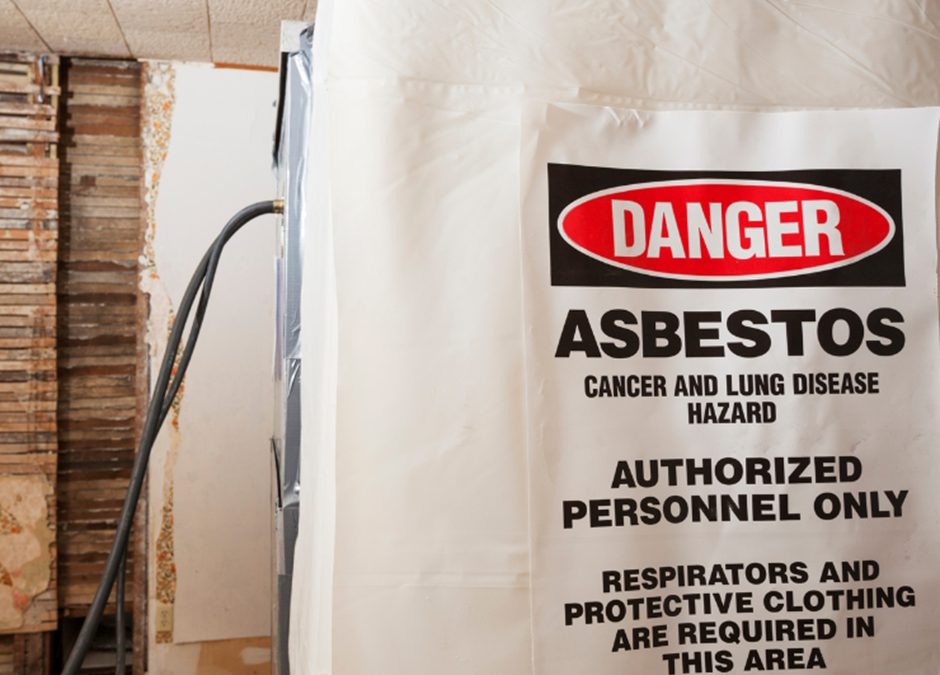
If you own, manage or work on a property built before 2000, understanding asbestos surveys is essential. Asbestos-containing materials (ACMs) were widely used in UK buildings for decades due to their strength, insulation properties and fire resistance. Although asbestos was banned in the UK in 1999, it remains present in many domestic, commercial and industrial properties.
When asbestos-containing materials are damaged or disturbed, harmful fibres can become airborne and pose serious health risks. Because of this, asbestos surveys play a vital role in identifying asbestos, assessing its condition and helping property owners make informed decisions about management, refurbishment or removal.
What Is an Asbestos Survey?
An asbestos survey is a detailed inspection carried out by a qualified asbestos surveyor to identify the presence, location and condition of asbestos-containing materials within a property. The survey helps determine whether asbestos is present, the condition of any materials found and whether they are likely to release fibres. It also identifies what action, if any, should be taken to manage the risk safely.
The findings are recorded in a formal asbestos survey report, which guides the next steps. Depending on the circumstances, this could involve ongoing management, encapsulation, repair or asbestos removal. At Evans Asbestos, all asbestos surveying is completed by experienced, P402-accredited surveyors in line with current HSE guidance and the Control of Asbestos Regulations 2012.
The Different Types of Asbestos Surveys
There are several types of asbestos surveys, each designed for a specific purpose. Choosing the correct survey depends on how the property is being used and whether any work is planned.
Management Asbestos Survey
A management survey is the standard survey used to locate and assess asbestos-containing materials that could be disturbed during normal occupancy. It is typically required in offices, shops, schools, warehouses, rental properties and communal areas of residential buildings.
The aim is to ensure any asbestos present can be safely managed in place. Surveyors identify accessible ACMs and assess their condition. If materials are in good condition and unlikely to be disturbed, removal may not be necessary. Instead, the report may recommend monitoring, maintaining an asbestos register, labelling materials or encapsulation to prevent fibre release.
Refurbishment and Demolition Survey
A refurbishment and demolition survey is required before any major building work takes place. Unlike a management survey, this inspection is fully intrusive and may involve opening walls, lifting flooring and removing ceiling panels to access hidden areas. It is legally required before structural alterations, major refurbishments, extensions, demolition work and redevelopment projects.
The purpose is to locate all asbestos-containing materials that could be disturbed during the planned works. Failing to carry out the correct survey beforehand can lead to project delays, unexpected costs, exposure to hazardous fibres and enforcement action from the HSE.
Re-Inspection Survey
A re-inspection survey monitors known asbestos-containing materials over time. If asbestos has previously been identified and remains in place, regular inspections help ensure it has not deteriorated or become damaged. The survey checks whether management measures remain effective and whether remedial action is now required.
Re-inspections are an important part of ongoing asbestos management, particularly in commercial buildings and public spaces.
What Happens During an Asbestos Survey?
The process is straightforward and designed to gather accurate information whilst minimising disruption wherever possible.
It usually begins with a discussion about the property, covering the age of the building, whether refurbishment works are planned and whether asbestos has previously been identified. The surveyor will then carry out a detailed inspection, which may include examining ceilings, textured coatings, pipe lagging, insulation boards, floor tiles, wall panels and roofing materials.
Where suspected asbestos-containing materials are found, small samples may be taken for analysis by UKAS-accredited laboratories. Common asbestos types found in UK buildings include chrysotile (white asbestos), amosite (brown asbestos) and crocidolite (blue asbestos).
Once testing is complete, the findings are compiled into a detailed report including the location of ACMs, photographs, laboratory results, risk ratings and recommendations for management or removal.
Understanding Asbestos Survey Results
Finding asbestos does not automatically mean it must be removed. The report will assess the condition and risk level of the material.
If asbestos-containing materials are in good condition and unlikely to be disturbed, they may be considered low risk. Examples include intact asbestos cement roofing, sealed textured coatings and undamaged floor tiles. In these situations, management and monitoring are often the safest approach.
Damaged or friable materials are more likely to release fibres and may require urgent action. Depending on the level of risk, the report may recommend encapsulation, repairs or licensed asbestos removal. Following the recommendations in the report is essential for maintaining safety and compliance.
Who Needs an Asbestos Survey?
Homeowners renovating or purchasing a property built before 2000 should arrange a survey before work begins. Asbestos is commonly discovered when removing ceilings, replacing flooring or updating garages, and identifying it early helps avoid delays and unexpected costs.
Commercial landlords and property managers have legal responsibilities to identify and manage asbestos risks within non-domestic premises. Regular asbestos surveys and re-inspection surveys help protect tenants, contractors and visitors whilst supporting compliance with the Control of Asbestos Regulations 2012.
Construction contractors and developers working on older buildings should ensure the correct survey has been completed before starting work. Refurbishment and demolition surveys are particularly important before structural alterations, strip-outs and redevelopment projects.
Commercial property owners have a legal duty to manage asbestos risks in non-domestic premises. Keeping records up to date and arranging regular survey forms part of responsible property management.
What Happens After an Asbestos Survey?
The next steps depend on the survey findings. Asbestos-containing materials may be left in place and monitored, encapsulated to prevent fibre release, or professionally removed and disposed of. In commercial settings, asbestos management plans and records may also need updating.
At Evans Asbestos, we help homeowners, landlords, and businesses understand their survey results and decide on the safest and most practical solution.
Speak to Evans Asbestos About Asbestos Surveys
If you need an asbestos survey in Dorset, Hampshire, Wiltshire, Somerset or the surrounding areas, Evans Asbestos can help. We provide professional management surveys, refurbishment and demolition surveys, and re-inspection surveys for domestic and commercial properties.
Contact Evans Asbestos today for expert guidance and a free, no-obligation quote.